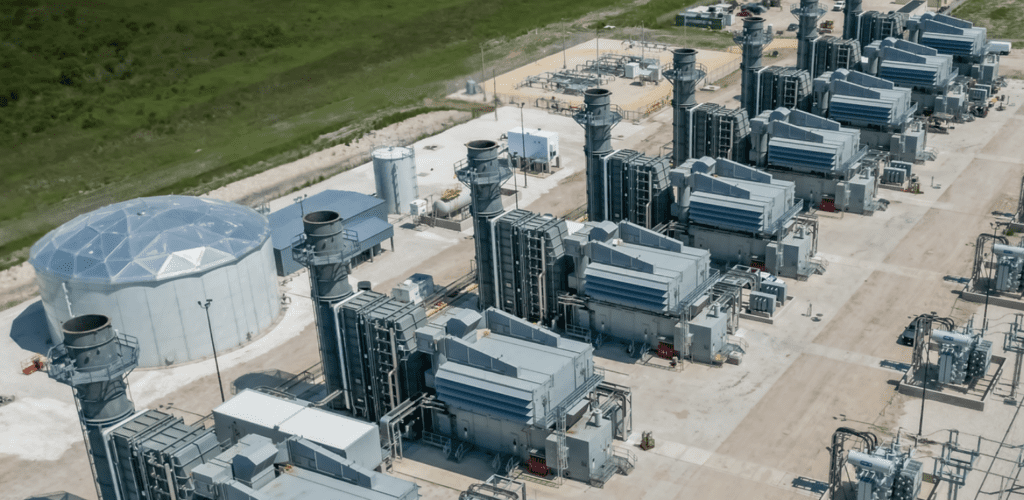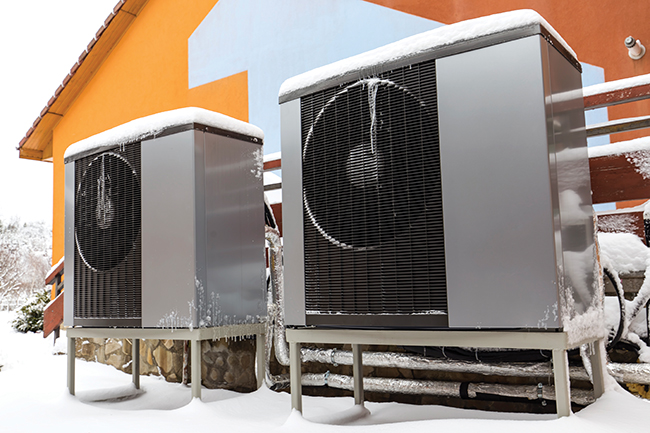
Electric power networks were once relatively predictable systems. Electricity moved along a clear path from centralized generation facilities through transmission lines and distribution networks before reaching homes and businesses. Grid infrastructure was designed around primarily a one-directional flow of electricity, and operating conditions were relatively stable. That model is changing rapidly.
Utilities now operate in a far more dynamic environment shaped by distributed energy resources, an increasing number of distributed generation sites, and the emergence of large, high-demand loads and a growing number of connected devices across the grid. Solar generation, battery storage, electric vehicles, and intelligent field equipment are changing how electricity is produced and how it moves through the network. At the same time, much of the infrastructure responsible for delivering electricity was installed decades ago and must continue operating reliably even as the grid becomes more complex.
This transition places new demands on utilities. Maintaining reliability requires deeper visibility into grid operations, stronger security practices, and communications systems that connect thousands of distributed assets across large geographic areas. In many ways, the future reliability of the grid depends on the strength of the networks that connect it.
Why Operational Resilience Is Becoming Mission Critical
Grid modernization introduces a level of operational complexity that earlier infrastructure was not designed to handle. Utilities must manage aging equipment while integrating new sources of generation and new categories of load. They also must coordinate a growing number of digital devices deployed throughout the distribution network.
To manage this environment effectively, operators need continuous visibility into assets located in remote substations, underground vaults, rural feeders, and urban distribution cabinets. That visibility depends on reliable communications.
 |
|
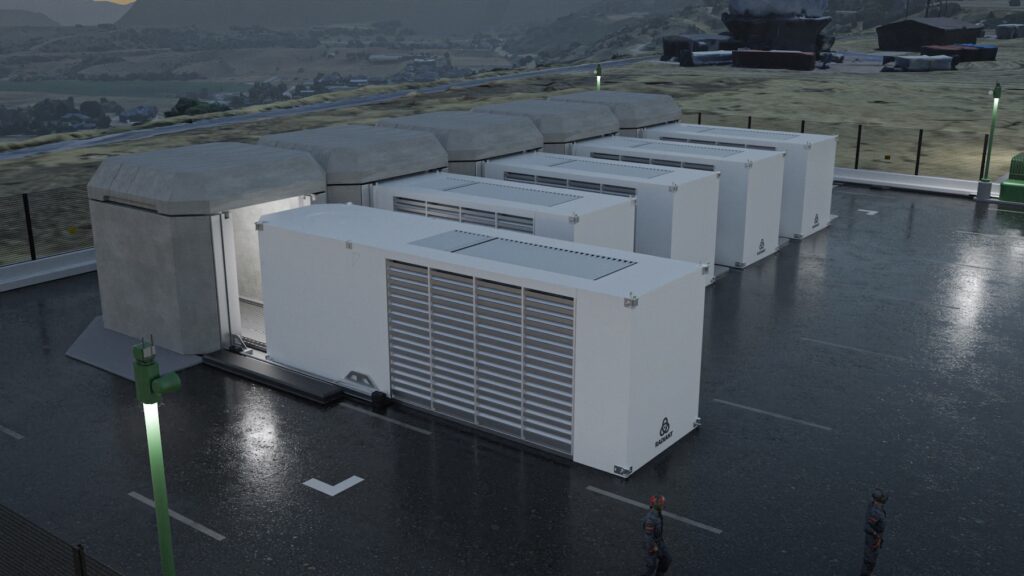
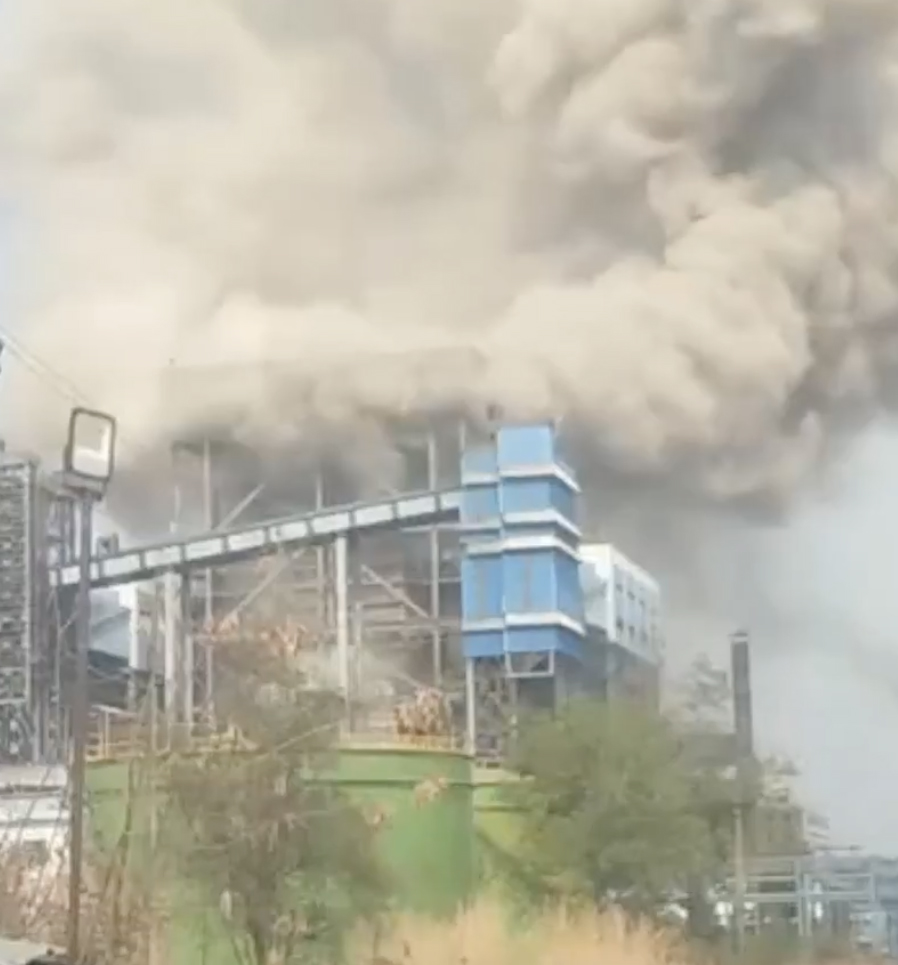
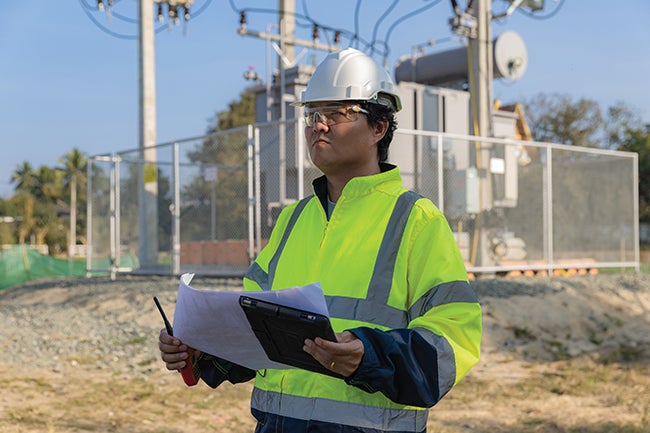
1. Connected field devices provide utilities with real-time visibility into grid operations, enabling faster response and improved reliability. Source: Envato Elements |
Across the industry, utilities are increasing the density of connected infrastructure throughout the grid (Figure 1). Intelligent devices monitor transformers, control reclosers, measure power quality, and collect operational data from distributed energy resources. These devices generate valuable data that helps operators understand how the grid performs in real time.
Connectivity therefore becomes a foundational element of resilience. When communications infrastructure reliably links field devices with operations centers, utilities can detect emerging problems earlier and respond more quickly to operational disruptions.
Better connectivity can also extend the useful life of existing assets. Continuous monitoring of equipment performance and environmental conditions allows utilities to make more informed maintenance decisions and reduce the risk of unexpected failures.
Resilience is no longer defined only by the ability to prevent outages. It also depends on how effectively utilities detect, isolate, and recover from disruptions when they occur.
Security Comes First
As grid infrastructure becomes more connected, cybersecurity considerations play a more prominent role in infrastructure deployment. Historically, organizations often deployed communications equipment first and evaluated security compliance later. That approach has largely disappeared from modern utility environments. Today, utilities frequently evaluate security requirements during the earliest stages of infrastructure planning.
Utilities increasingly require communications platforms to support strong authentication, encryption and compliance with established industry security frameworks. To support long service lifecycles of 10+ years, adaptability is equally important. Many future security and operational requirements are not yet known, so equipment must be capable of evolving over time. This requires sufficient processing power and memory headroom, along with the ability to support custom code and applications at the edge, enabling updates and new functionality as conditions change.
Supply chain considerations have also become more important. Utilities pay closer attention to where technology components are manufactured and whether those components meet regulatory and sourcing requirements. Infrastructure investments remain in service for many years, making trusted technology platforms a critical component of long-term grid resilience. This security-first mindset reflects growing recognition that communications networks are now integral to grid operations.
Connectivity as the Foundation of Grid Visibility
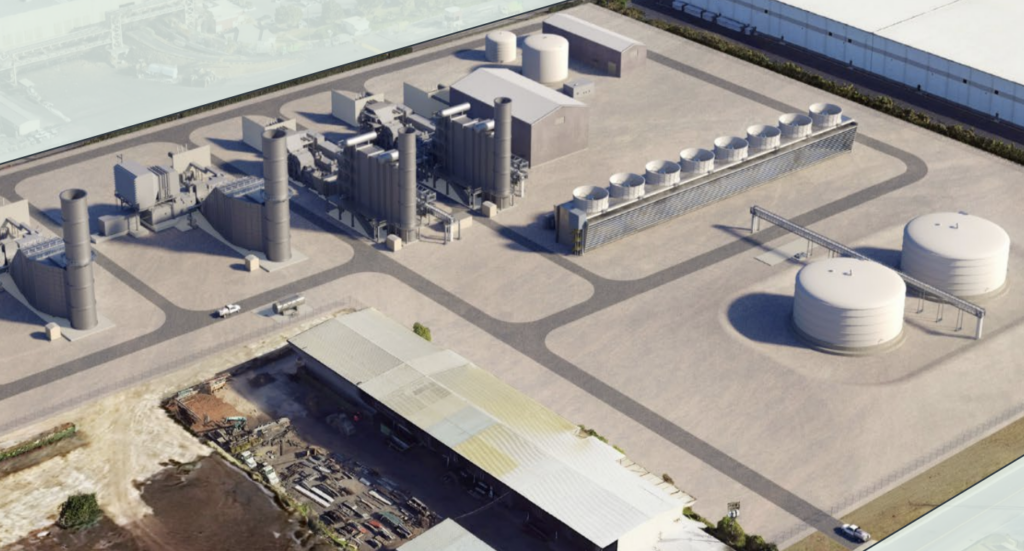
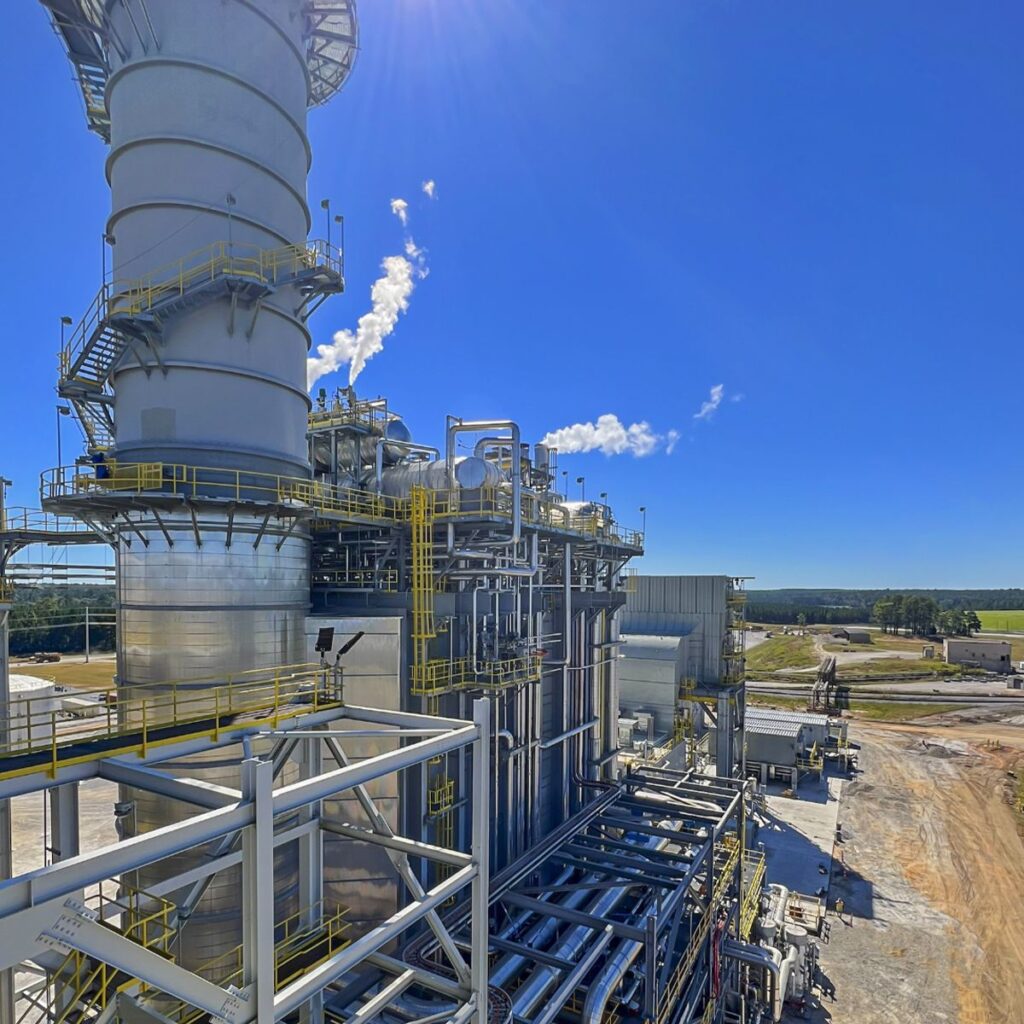
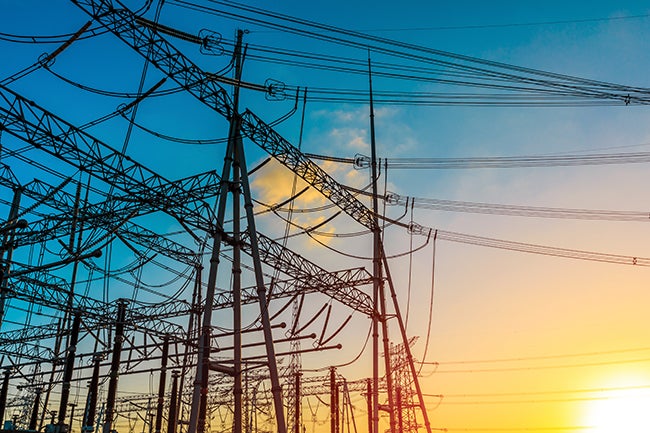
Modern grid operations depend on a constant flow of operational data between field infrastructure (Figure 2) and centralized control systems. Devices such as reclosers, capacitors, substations, and underground distribution equipment transmit data that allows operators to monitor system conditions and coordinate responses across the network. Without reliable communications, utilities lose the visibility required to manage complex distribution systems effectively.
 |
|
2. As the grid becomes more complex with distributed energy resources and increasing demand, resilient infrastructure and secure communications networks are critical to maintaining reliability. Source: Envato Elements |
Consider how utilities manage outages today compared with past decades. In earlier grid architectures, a single fault—such as a fallen tree branch contacting a power line—could interrupt service across an entire neighborhood. Operators often had limited insight into where the fault occurred until crews physically inspected the equipment.
Connected field devices have changed that dynamic. Intelligent protection equipment can isolate faults more precisely and communicate operational data back to control systems. This allows utilities to identify the location of a problem quickly and limit service interruptions to a much smaller portion of the network.
Achieving this level of responsiveness requires communications infrastructure that operates reliably across diverse environments. Distribution networks often include equipment located in dense urban areas, rural terrain, and remote field locations where wired connectivity may not be practical. Cellular connectivity, private wireless networks, and mesh networking technologies increasingly bridge these gaps and provide reliable communication pathways for distributed grid assets. When utilities design these networks with resilience in mind, they can maintain visibility across infrastructure even during severe weather events or other disruptive conditions.
The Environmental Reality of Grid Operations
While the grid is becoming more digital, the physical environments where infrastructure operates remain challenging. Field equipment must function reliably in conditions that include extreme heat, freezing temperatures, underground moisture, and exposure to environmental contaminants. Equipment installed in underground vaults or roadside cabinets may also face flooding, dust, wildlife interference, and other environmental stressors.
Communications infrastructure deployed in these environments must withstand long-term exposure to harsh conditions. Connectivity platforms must also remain stable when the grid experiences the greatest operational stress. Severe weather events, peak electricity demand, and emergency response scenarios often place the highest demands on communications networks. Maintaining reliable connectivity under these conditions is essential for preserving operational visibility and coordinating a rapid response when disruptions occur.
Designing Communications Networks for Grid Resilience
Utilities deploying connected infrastructure at scale are learning that communications architecture plays a critical role in operational reliability. Large distribution networks can include tens of thousands of connected devices. Managing these deployments requires tools that allow operators to configure, monitor, and update infrastructure across large fleets of field devices. Centralized management platforms help utilities maintain consistent configurations while reducing the operational burden associated with managing complex networks.
Redundancy is also becoming a key design principle. Communications networks that rely on a single pathway are vulnerable to disruption. Many utilities implement architectures that support multiple connectivity options, allowing devices to maintain communication through alternate network paths when primary connections are unavailable.
Another consideration involves aligning connectivity capabilities with the criticality of each asset. Certain grid components, such as substations or control equipment, require highly resilient connectivity with multiple layers of redundancy. Other devices may operate effectively with simpler connectivity configurations. Careful planning of communications infrastructure helps utilities balance reliability, operational complexity, and cost across large deployments.
The Role of Edge Intelligence
As utilities expand digital capabilities across their networks, the role of data in grid operations continues to grow. The first step toward building a more intelligent grid is collecting operational data from distributed infrastructure. Once that data becomes available, utilities can apply advanced analytics to improve operational decision-making.
Predictive maintenance provides one example. Data collected from connected equipment can reveal patterns that indicate early signs of component failure. Addressing these issues before they cause outages improves reliability and reduces the cost of emergency repairs.
Edge computing technologies are also becoming more relevant within grid infrastructure. Devices deployed in the field increasingly process and analyze data locally rather than relying entirely on centralized systems. This allows certain operational decisions to occur closer to where the data is generated, reducing latency and improving responsiveness.
Edge platforms also provide flexibility as grid operations evolve. Infrastructure deployed today may remain in service for a decade or longer. Platforms that support software updates and new applications allow utilities to adapt field devices to emerging operational needs without replacing hardware.
Building the Communications Foundation for the Modern Grid
Electric utilities are navigating one of the most significant transitions in the history of the power grid. Distributed energy resources, electrification, and digital infrastructure are reshaping how electricity is generated, delivered, and managed.
Success in this environment depends not only on physical grid assets but also on the communications networks that connect them. Secure, resilient connectivity allows utilities to maintain visibility across distributed infrastructure, coordinate operational responses, and integrate new technologies into the grid safely. As utilities modernize their networks, communications platforms that support secure connectivity, large-scale device deployments, and adaptable edge capabilities play an increasingly central role in strengthening grid reliability. Utilities that invest in strong connectivity foundations today will be better prepared to manage the complexity of tomorrow’s energy landscape.
—Selim Albarak is vice president of Global Solutions Engineering, and Eric Edevold is director, Utility and Energy Solutions, for Digi International.