
Westinghouse Electric Company has made Dan Sumner’s interim role permanent, appointing him president and chief executive officer, effective immediately. Sumner has served as Westinghouse’s interim CEO for the past 12 months and previously held senior executive roles overseeing the company’s finance and operating-plant businesses.
According to Westinghouse, Sumner brings nearly 25 years of global experience to the role. Before being named interim chief executive in 2025, he led Westinghouse’s Global Operating Plant business, where he oversaw delivery of the company’s products and services to the global nuclear operating fleet. From 2017 to 2023, he served as Westinghouse’s chief financial officer, a period in which the company says he was instrumental in its repositioning, transformation, and growth. Earlier in his tenure, Sumner held senior positions in finance, risk, and compliance, including roles in corporate audit and enterprise risk management.
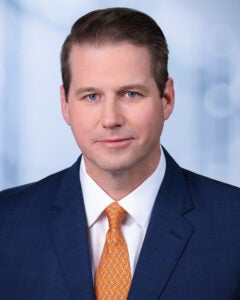
In its announcement, Westinghouse said that as interim CEO Sumner has helped position the company for growth across both its operating-plant and new-plant businesses over the past year.
“On behalf of the Board of Directors, I look forward to Dan continuing in the role of CEO,” said Dominic Kieran, chairman of the Westinghouse Board of Directors. “Dan’s leadership and expertise combined with his deep knowledge of Westinghouse and our industry will be instrumental in positioning Westinghouse to deliver value for our operating plant and new plant customers around the world. We are confident that the business is well-positioned for this growth under his leadership.”
Sumner’s appointment comes as Westinghouse’s owners, Cameco Corp. and Brookfield, continue to emphasize the company’s role in their nuclear growth strategies. Cameco, which holds a 49% interest in Westinghouse, presents Westinghouse as one of its three main business segments and says the investment “expands our participation in the nuclear fuel value chain” and “augments the core of our business.”
In its March 12–released 2025 annual report, Cameco describes Westinghouse’s operations as a “durable and growing business” that is expected to self-fund its approved annual operating budget, maintain its ability to service its financial obligations from “de-risked cash flows,” and pay annual distributions to its owners. “Like Cameco, Westinghouse has a long-term contract portfolio, which we believe positions it well to compete for growing demand for new nuclear reactors and reactor services, as well as the fuel supplies and services needed to keep the global reactor fleet operating safely and reliably. This strong base of business also helps protect Westinghouse from macro-economic headwinds as utility customers run their critical nuclear power plants,” it says.
Cameco notes that Westinghouse is participating as a subcontractor in the construction of two nuclear reactors at the Dukovany power plant in the Czech Republic, which Cameco says is expected to provide “significant” financial benefits over the term of the project and includes fuel-fabrication services for both units. The report also describes a strategic partnership launched in late 2025 among Cameco, Brookfield, Westinghouse, and the U.S. government that is intended to accelerate the deployment of Westinghouse nuclear reactors in the U.S. and globally. Under that partnership, Cameco says the U.S. government is expected to arrange financing and help facilitate permitting and approvals for new Westinghouse reactors in the United States, with an aggregate investment value it characterizes as “at least US$80 billion.”
Brookfield’s 2025 annual report similarly says the arrangement will help restart the nuclear supply chain in the U.S., create substantial employment, and “enable us to restart the industry.”
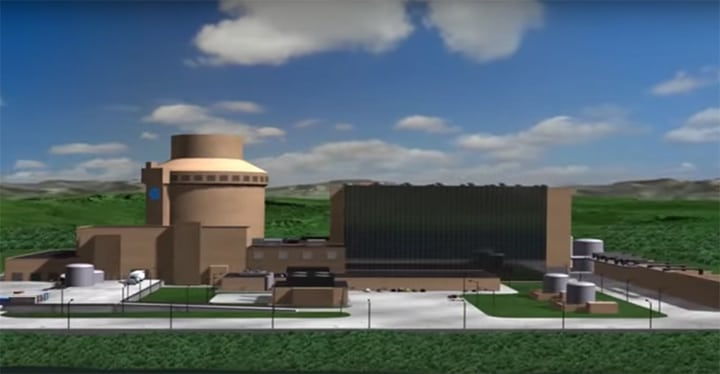
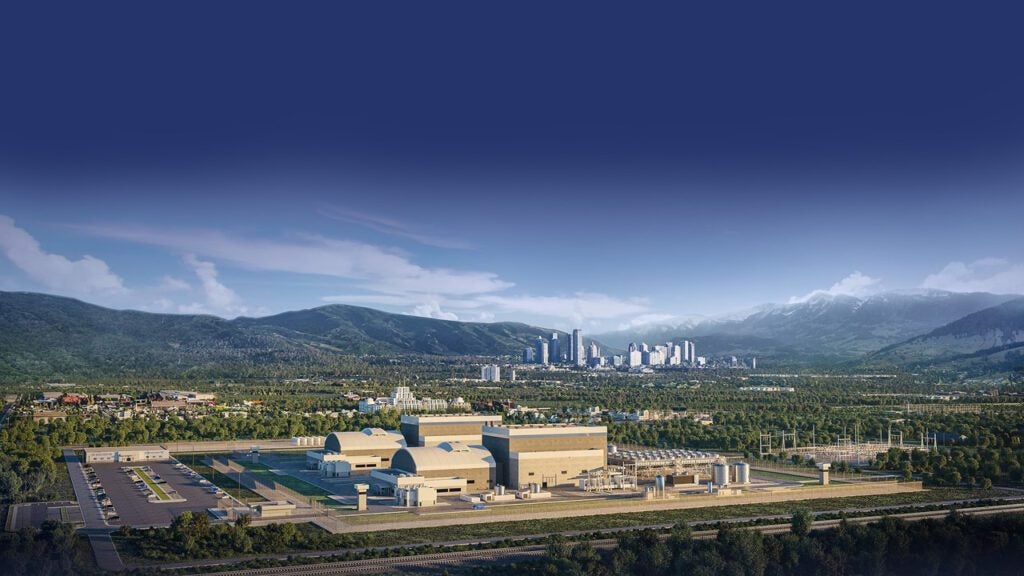
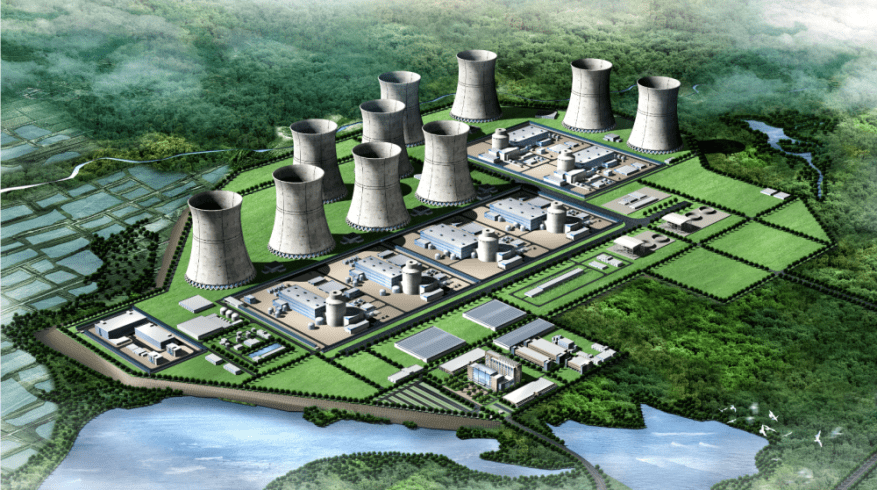
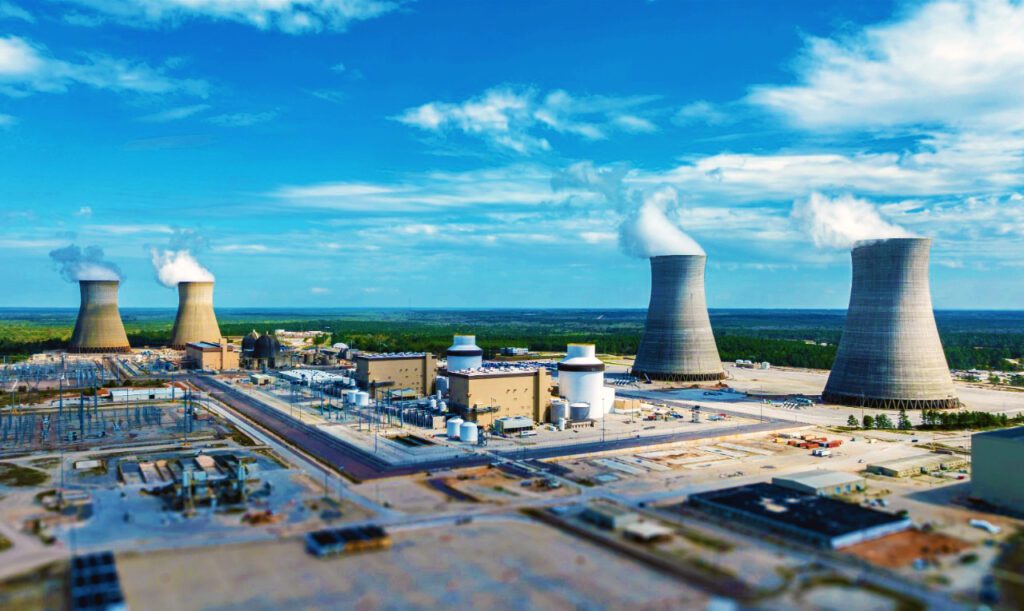
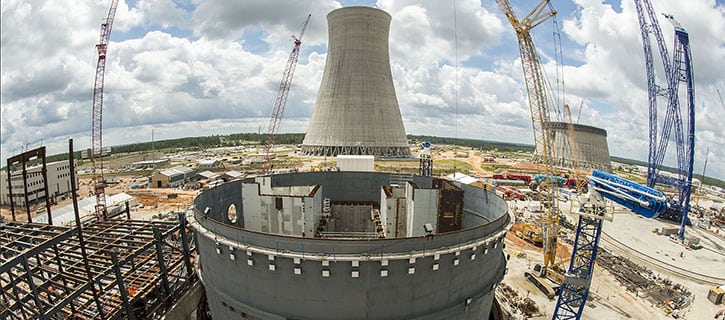
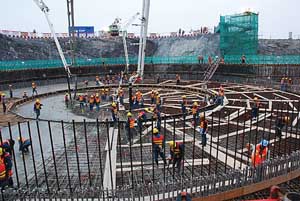
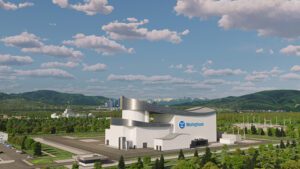
Westinghouse and its owners have also pointed to a growing slate of projects and prospects. The company notes that its AP1000 pressurized water reactor technology is already in commercial operation in China and the U.S., including four units at China’s Sanmen and Haiyang plants and two units at Georgia Power’s Vogtle site, and that additional AP1000 units are under construction in China. Westinghouse is also advancing its 300-MW-class AP300 small modular reactor, describing it as an SMR based on licensed and operating AP1000 technology. The design is in pre-application activities with the U.S. Nuclear Regulatory Commission and has entered the UK’s Generic Design Assessment process.
Westinghouse has also recently moved to standardize and expand its large-reactor offering. On April 6, the company asked the U.S. Nuclear Regulatory Commission to renew and update the design certification for its AP1000 reactor, formally proposing Vogtle Unit 4’s as-built configuration as the new U.S. reference plant for future AP1000 projects. In a parallel statement, Westinghouse said it had submitted Revision 20 of the AP1000 Design Control Document to the NRC to “establish Plant Vogtle Unit 4 as the standard AP1000 reference plant for U.S. deployment,” calling the move part of a strategic plan to enable “fleet-scale deployment” of the advanced modular reactor and support a U.S. program to build a fleet of large reactors. The NRC said aligning the certified design with the as-built Vogtle units could streamline licensing for future applicants by incorporating lessons learned from Vogtle’s licensing, construction, and startup into a standardized, “nth-of-a-kind” approach, in a news release.
Cameco’s outlook section notes that it expects Westinghouse to be well-positioned for future growth as demand for nuclear energy increases. The company cites “strategic initiatives, including the development of the AP300 small modular reactor,” and says such initiatives are expected to create new business opportunities and make a meaningful contribution to Westinghouse’s long-term financial performance.
Cameco also says Westinghouse’s projects, including new-build contracts, are expected to generate multi-year revenue streams and earnings before interest, taxes, depreciation, and amortization for Westinghouse, and that Westinghouse’s reputation and position should support its core business as countries seek to develop reliable nuclear fuel supply chains.
Publicly available information indicates that Sumner succeeds Patrick Fragman, who became CEO of Westinghouse in 2019. Earlier leaders of Westinghouse Electric Company have included Charles W. Pryor Jr., Steve Tritch, and Aris Candris.
“It is an honor to continue serving Westinghouse as its CEO,” said Sumner. “I am proud of Westinghouse’s storied history and the impact we have had in the world, but even more excited about the bright future that lies ahead for our company and industry. I look forward to partnering with our shareholders, leadership team, and colleagues around the world to serve our customers and realize our full potential, together.”
—POWER editorial staff.