

On April 7, the Maine House voted 82–62 to advance Legislative Document (LD) 307, a bill sponsored by Rep. Melanie Sachs, D-Freeport, that would impose a moratorium on artificial intelligence (AI) data centers with loads of 20 MW or greater until Nov. 1, 2027. The bill would also create the Maine Data Center Coordination Council, tasked with evaluating how large-scale facilities could affect ratepayers, grid reliability, natural resources, and local communities—with a final report due to the legislature by February 2027. There are currently no large-scale AI data centers operating in Maine, but high-profile projects have recently been announced in Sanford and Jay.
Maine’s move is one of the most concrete legislative responses yet to a wave of anxiety sweeping across communities throughout the country. But according to Tracey Hyatt Bosman, managing director, and Tim Comerford, senior vice president at Biggins Lacy Shapiro & Co. (BLS & Co.), much of that anxiety is fueled by misunderstanding—and the industry has more work to do in telling its own story.
Bans Are Spreading, but Context Matters
Maine is not alone. As many as 11 other states have introduced some form of legislation exploring similar restrictions. At the local level, even historically pro-business states like North and South Carolina have seen communities push back against proposed facilities.
Hyatt Bosman warned that while Maine has never been a data center hotbed, the symbolic weight of a statewide ban could trigger a domino effect. “My biggest concern would be that the electorate or our leaders who are not in the data center space would just jump on the bandwagon without knowing the full details,” she told POWER. The risk is that policymakers and voters treat data centers as a monolithic threat rather than evaluating individual projects on their merits and compatibility specifically with the proposed location.
Power Is the Central Issue, but Utilities Are Adapting
Of all the concerns communities raise—from noise and aesthetics to water usage and traffic—power remains the dominant flashpoint. Residential ratepayers worry that massive new loads will drive up their electricity bills, and that worry is not unfounded given the cost increases many regions have experienced over the past two years.
Comerford argued that utilities deserve more credit than they’re getting. He noted that some power companies have restructured their tariff frameworks to protect existing customers. American Electric Power (AEP), for example, has adopted take-or-pay-style data center contracts that require operators to commit to specific load levels and provide financial security, helping ensure that the infrastructure costs they trigger are recovered from those customers rather than spread across the broader rate base.
Hyatt Bosman pointed to an even more compelling counterexample: an Indiana utility that actually lowered rates for its existing customers in part because data center load improved overall grid efficiency. “It’s a nuanced conversation around power, which I think is lost on a lot of people,” she said.
Bring Your Own Power Isn’t a Silver Bullet
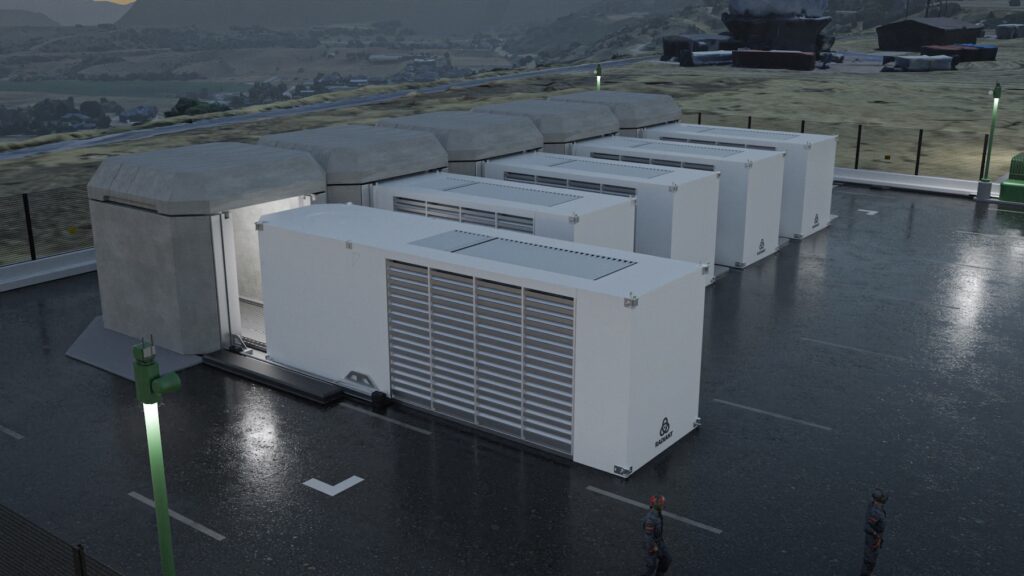
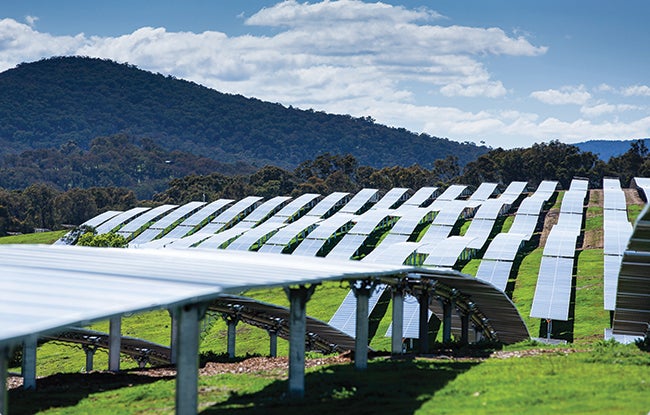
The largest technology companies have publicly pledged to shoulder more of their own energy burden, and some are already acting on that promise. In late 2024, Meta announced a $10 billion data center on a 2,250-acre former farm site in Richland Parish, Louisiana, about 30 miles east of Monroe. Under the arrangement, Entergy will add new power plants to its system to meet the facility’s demand, while Meta has committed to match its electricity use with 100% clean and renewable energy—working with Entergy to bring at least 1,500 MW of new renewables onto the grid. Meta also pledged up to $1 million per year to Entergy’s low-income ratepayer support program, with Entergy Louisiana matching that contribution, and committed more than $200 million in local infrastructure improvements, including roads and water systems.
While that is just one example, Hyatt Bosman characterized the industry’s “bring your own power” trend as both genuine strategy and public relations. The largest operators were already moving in this direction before any formal pledge, she noted, but the public commitment matters because it addresses the core concern head-on.
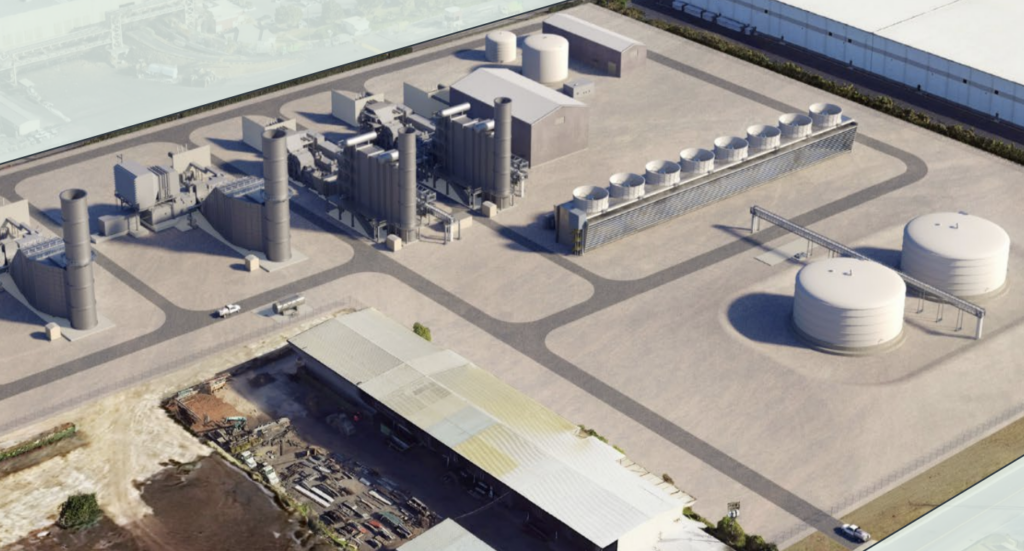
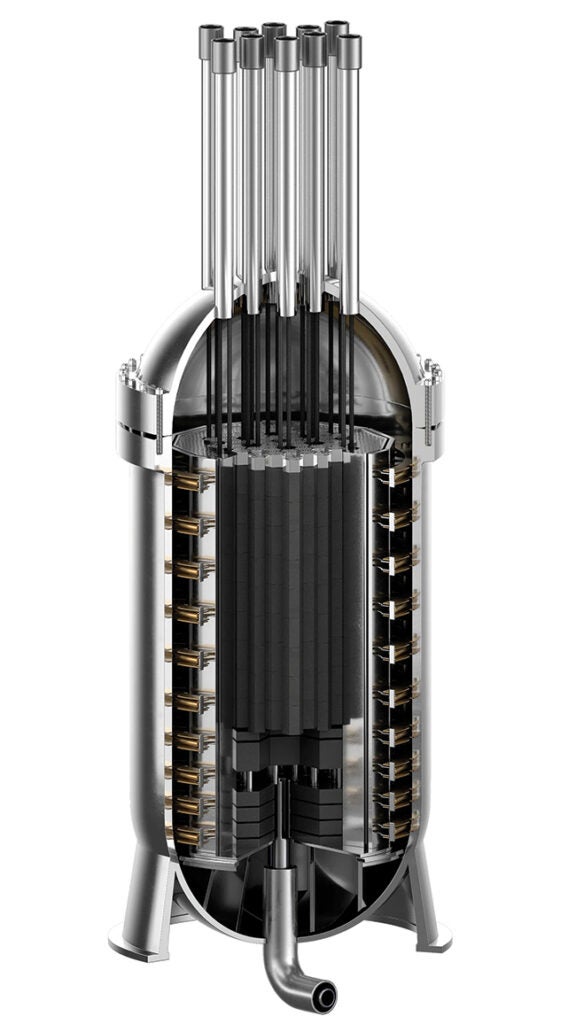
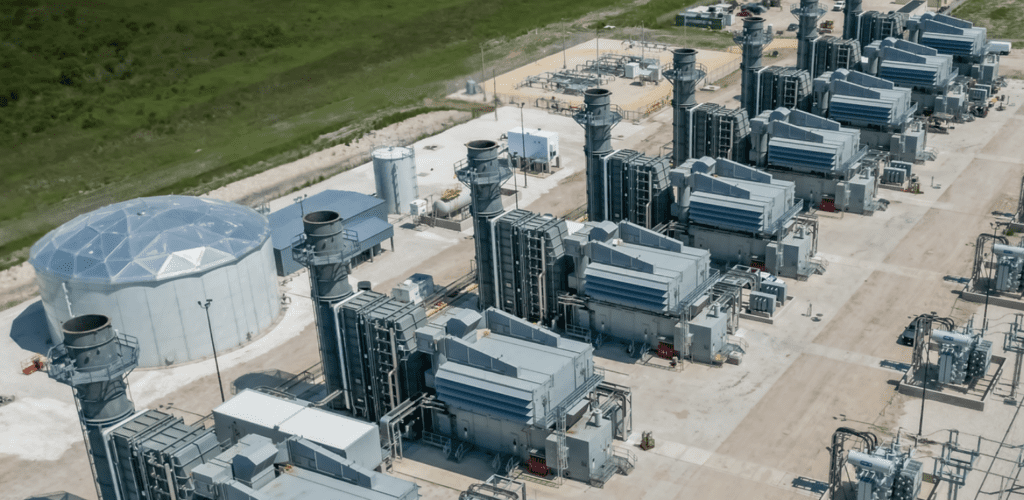
Comerford, however, cautioned that self-generation introduces its own complications. Combined cycle gas turbines carry environmental impacts that a data center alone would not. Meanwhile, there are still questions about how communities will respond to small modular nuclear reactors being proposed alongside data centers. Bringing your own power, he said, is not a universal solution, even for the largest players.
Demand Isn’t Slowing, but Headwinds Are Real
Despite the political and regulatory turbulence, neither Hyatt Bosman nor Comerford sees underlying demand softening. What they do see is congestion. Interconnection queues have become a serious bottleneck, with preliminary answers from utilities now taking six months or more before a full engineering analysis even begins. Transformer shortages, permitting delays, and local opposition all add friction to timelines.
The crowding is amplified by speculative activity. Developers, traditional data center operators, and end users are all pursuing the same sites simultaneously, creating the appearance of even greater demand than will ultimately materialize. “You may have four people talking to you where ultimately only one is going to be the end user,” Hyatt Bosman explained. The pipeline looks enormous, but a significant portion of it will never convert to real projects.
Community Engagement Must Start on Day One
When asked about the biggest mistake data center developers make when entering a new community, Hyatt Bosman’s answer was direct: going in without a public relations strategy. A decade ago, data centers could rely on community support. Today, misinformation travels faster than any construction crew, and companies that fail to lead with clear, honest communication find themselves playing defense from the start.
Effective engagement takes many forms. Some operators, such as QTS, invite community members to open houses during the planning process, or invite community leaders to tour completed facilities so they can see firsthand what actually goes on inside the building. Others invest in local philanthropic initiatives or partner with technical schools to build training programs that benefit the broader workforce, not just their own hiring pipeline.
Tax incentives remain a critical, and often misunderstood, part of the equation. Communities frequently frame incentive agreements in terms of what they gave up, without completing the sentence about what they received. Even with negotiated abatements, data centers generate substantial property tax revenue. The real question is whether the net gain is being communicated effectively. As Comerford put it, “If it wasn’t for negotiations to reduce some of what could be astronomically high costs, communities could be in the situation of not getting anything.”
The Overlooked Economic Ripple Effect
Critics often point to relatively low direct employment as evidence that data centers are a poor trade for communities. It’s true that a 200,000-square-foot data center will not employ as many people as a manufacturing plant of the same size. But Hyatt Bosman pushed back against the notion that this means negligible job creation. Facilities may employ 20 to 200 people in well-paying technical roles—positions that can anchor workers in their hometowns and provide career paths in communities that may lack other tech-sector opportunities.
Beyond direct employment, data centers drive significant demand for regional service providers. Maintenance; heating, ventilation, and air conditioning (HVAC); fire protection; telecommunications; and security all often require local contractors who can respond within hours. Comerford argued that this indirect economic activity often exceeds what a comparably sized warehouse operation would generate.
Then there are what Hyatt Bosman called “positive adjacent impacts.” Major data center developments trigger infrastructure upgrades, often delivering better roads, improved water and wastewater systems, and enhanced transmission reliability. These improvements benefit the entire community, not just the facility itself. They can also make a region more attractive to future industrial and commercial investment, creating a compounding economic benefit that rarely gets counted in the initial debate.
The Case for Specificity
The data center story is not one story. It’s hundreds of individual stories, each shaped by the specific project, the specific community, and the specific grid conditions involved. The greatest disservice the public conversation does to this industry, and to the communities weighing these decisions, is treating it as a single, simple narrative. As both Hyatt Bosman and Comerford emphasized, the details matter, the nuance matters, and the stakeholders who take the time to understand both will make far better decisions than those who don’t.
—Aaron Larson is POWER’s executive editor.